 Rising
Backed by the MIT Sandbox Innovation Fund
Migraine research, made for real life

Headaches can be hard to predict. We’re exploring ways to notice early warning signs, so people with migraine and their care teams can make more informed decisions.
From early signs to safer decisions
Why this matters
Offload the mental burden of constant vigilance
For many people with migraine, the hardest part isn’t only the pain. It’s the constant watching: sleep, hydration, lighting, stress, knowing one wrong variable can cost you two days. We’re designing a background engine that watches your baseline wearable signals for you, so you can spend less time guessing and more time living.
A quick check
Could your headaches be migraine?
If you’ve had headaches in the past three months, answer these three questions about that time. They can help you decide what to discuss with a doctor.
Based on the validated three-question ID Migraine screening tool. This is a screen, not a diagnosis.
Living with headaches? Help shape our research
Take a 60-second screener. If you're a fit, you can book a short 15-minute chat with our team.
Take the research screener →Answer all three questions to see your result.
Learn more
A clearer picture of your headaches
Small clues can tell a bigger story.
Changes in sleep, activity, or how you feel may happen before a migraine. Our research explores whether information from a wearable device and a simple headache diary could help spot patterns earlier.
- Notice changes that may come before a headache.
- Talk with your care team about when to use prescribed treatment.
- Keep track of medicine use to help avoid taking it too often.
This is a research concept, not a tool for diagnosing migraine or telling you when to take medication.
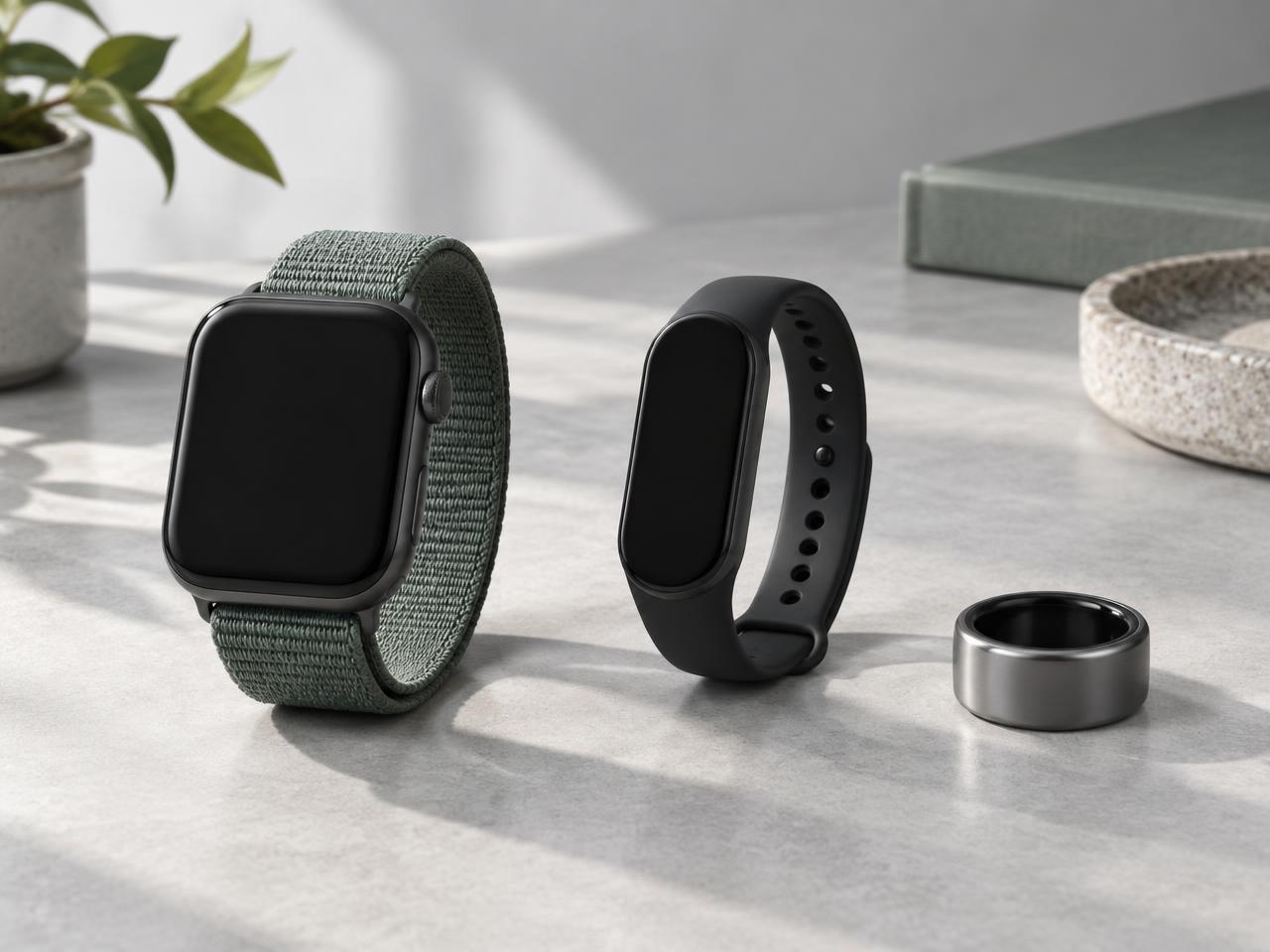
Specifications
WindowRx Technical Architecture
Multi-Modal Data Ingestion
Securely ingests prodrome symptoms, historical attack diaries, medication timestamps, and passive wearable telemetry (HRV, sleep, activity).
Predictive Analytics & Forecasting
Real-time attack probability, forecast horizons in hours, personalized action windows, and confidence indicators.
Medication Overuse Safeguard
Tracks rolling acute medication frequency and flags overuse caution before MOH thresholds are exceeded.
Enterprise-Grade Infrastructure
Versioned REST/GraphQL API, sandboxes, audit logging, model-drift monitoring, HIPAA/GDPR-compliant governance.
{
  "subject_id": "usr_8f2c…",
  "attack_probability": 0.78,
  "forecast_horizon_hours": 6,
  "confidence": "high",
  "therapeutic_window": {
    "opens": "2026-10-03T13:10:00Z",
    "closes": "2026-10-03T15:40:00Z",
    "recommendation": "acute_triptan"
  },
  "moh_safeguard": {
    "acute_days_30d": 7,
    "threshold": 10,
    "status": "clear"
  },
  "model_version": "windowrx-2.4.1"
}Prodrome looks different for everyone.
The engine is being designed to learn each person’s own early-warning “fingerprint” — subtle cognitive slowing, neck tension, sleep shifts — instead of relying on population averages.
Timing nudges that respect light sensitivity.
Bright screens can make early light sensitivity worse. We’re designing alerts that can arrive through gentle haptics, ambient cues, or low-contrast, discreet lock-screen messages, so you get the timing nudge without having to stare at a screen during sensory overload.
Clinical use case
The Complete Lifecycle
- 1
Signal Detection
A background engine is being designed to follow wearable metrics and the prodrome inputs you share, without you having to think about it. - 2
Predictive Alert
The concept aims to spot patterns that raise the chance of a migraine hours before pain starts. - 3
Actionable Window
Designed to offer two paths:
- Medication timing: a prompt to follow the acute treatment plan you’ve agreed with your clinician (e.g., triptans or gepants) early, when it tends to work best.
- Non-drug early steps: reminders for the routines you already use, like a 20-minute sensory break in a dark room, a cooling pack, or hydration.
Any prompt follows the plan you and your clinician set. The tool does not decide your treatment.
- 4
Safety Verification
Rolling medication usage is cross-checked to help prevent overuse cycles. - 5
Outcome Logging
Feedback refines personalized calibration and reports long-term outcomes.